Dr Michelle Andrews Luke
 

About

I am an Educational and Developmental Psychologist, a Lecturer in Educational Psychology, and the Interim Course Coordinator, Master of Psychology (Educational and Developmental), at the Faculty of Education, University of Melbourne. I am also the Director of Positive Humanity and Lead Psychologist at St Margaret’s Berwick Grammar, where I oversee a whole-school approach to wellbeing that was recognised with an Excellence Award for Best Student Wellbeing Program at the 2023 Australian Education Awards.

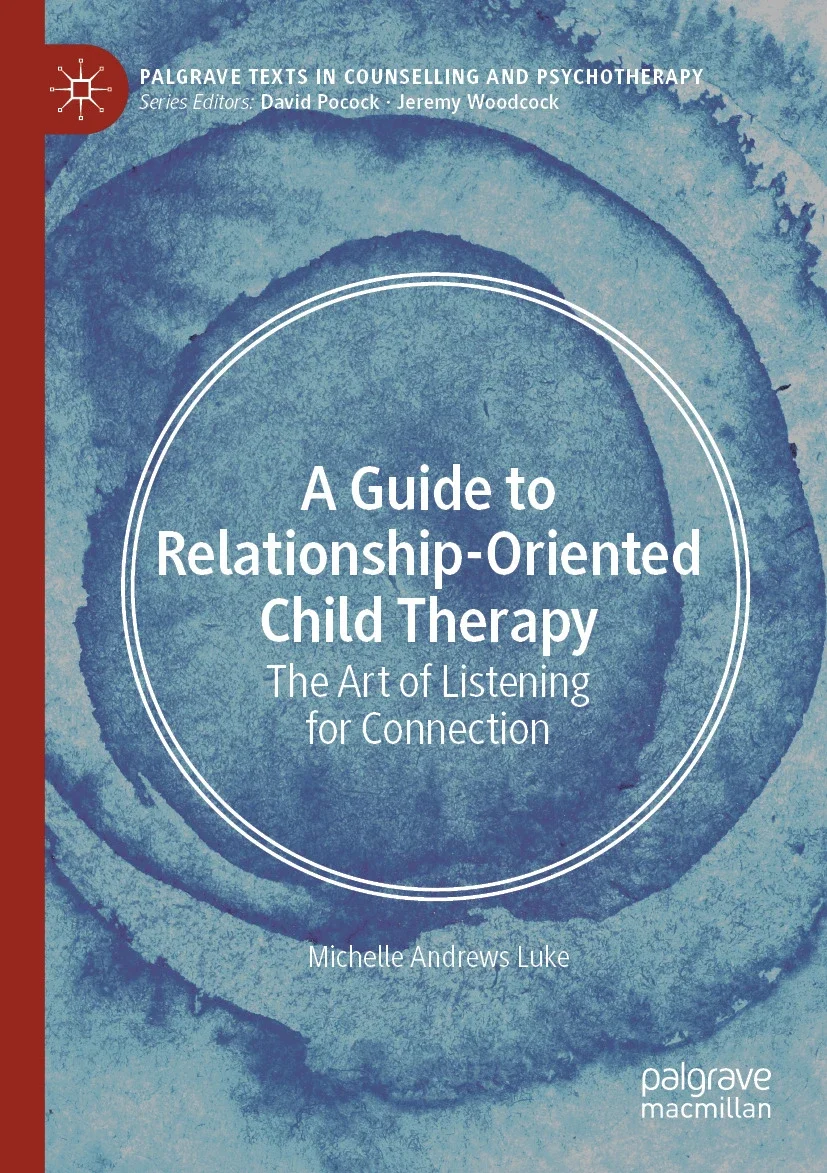
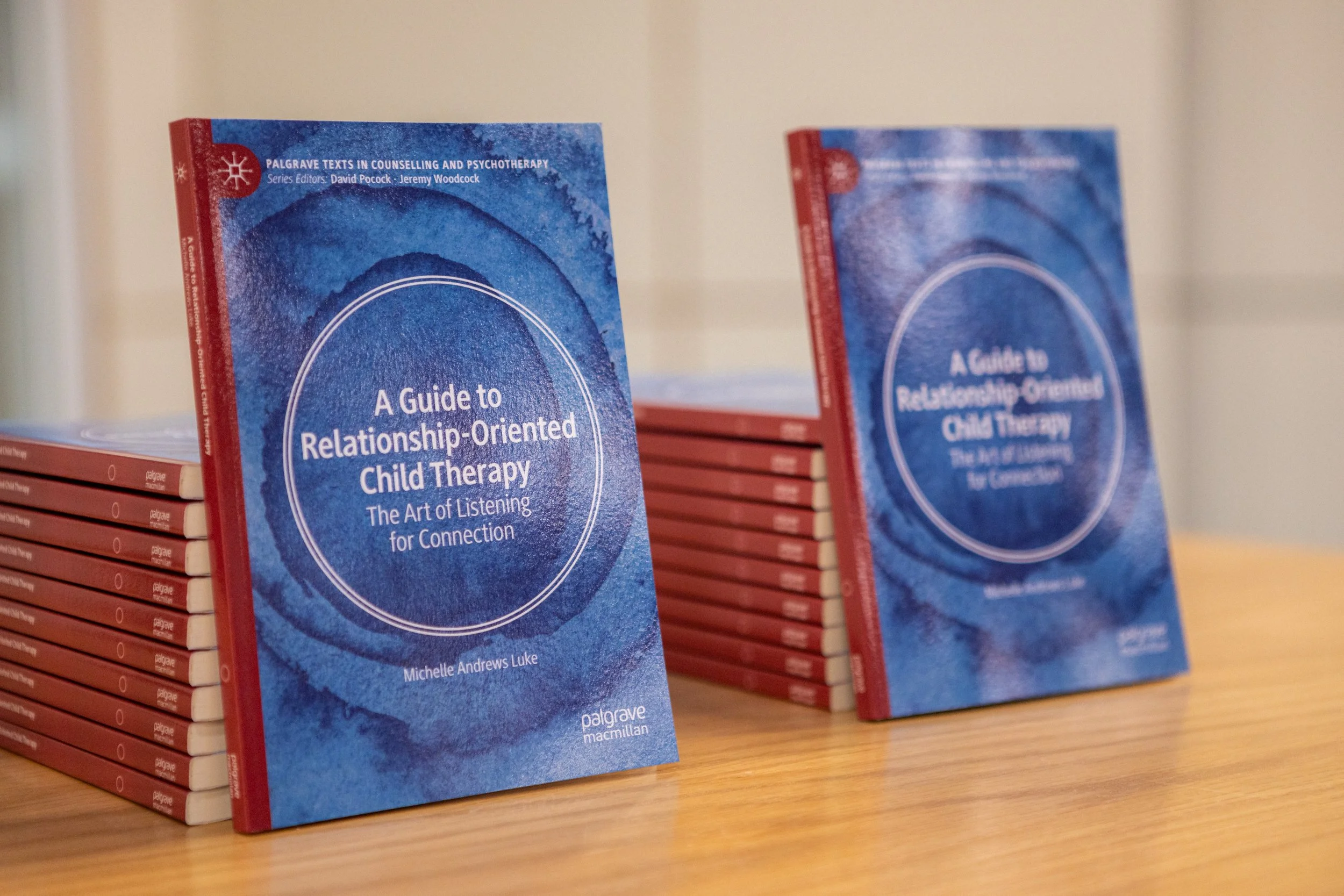
I have practiced as an Educational and Developmental Psychologist in private and educational settings for more than 20 years. I joined the Faculty in 2020 and contribute substantially to the teaching and learning of Master of Psychology students. My clinical work, teaching, and research are underpinned by my conviction that children need to be seen, heard, and accepted, and I am dedicated to teaching the next generation of psychologists how to listen deeply to children so that they may thrive. My book, A Guide to Relationship-Oriented Child Therapy: The Art of Listening for Connection (Springer Nature, 2025), presents fifty practical suggestions and real case studies to help clinicians to develop a richer understanding of what it means to listen for connection.

I have held leadership roles within the Australian Psychological Society (APS), including terms on the APS College of Educational and Developmental Psychologists National Committee (2010-2011, 2017-2018, 2020-2021) and as Convener of the APS NSW Child, Adolescent and Family Interest Group (2007–2008). I currently serve as the National Convener of the APS Positive Psychology Interest Group, representing over 2,000 psychologists.


Book

This book introduces a new relationship-oriented approach to child therapy grounded in the idea that positive relationships are essential for children’s mental health and wellbeing. I emphasise the importance of cultivating the child-therapist bond and working closely with families and teachers to nurture the wellbeing of children. By establishing and maintaining strong connections with children, and by actively including families and teachers in the therapeutic process, child therapists can truly support children to heal and grow.